
Art and Shamanism
The Mask and the Shamanic costume
Artistic Residency with Morena Luciani Russo and Lorenzo Bordonaro
31 july – 8 august 2026

DEADLINE EXTENDED JUNE 15
The “Art and Shamanism” artistic residencies are dedicated to anyone who has an artistic practice of any kind—even non-professional—(from dance to painting, photography, sculpture, etc.) and wishes to take time for a retreat devoted to their art while exploring it within a shamanic path.
The shamanic experience is a particular state of consciousness and attention that allows communication with different levels of reality.
Music, singing, dance, and the visual arts originated within contexts of shamanic practices and rituals. There is therefore an ancestral relationship between the artistic process and shamanism, whose contemporary relevance we will explore both theoretically and practically during the residency.
In particular, the second edition of this residency aims to deepen the complexity and vitality of the device of the mask and costume—recurring and central aspects in the shamanic traditions of all cultures, including European ones.
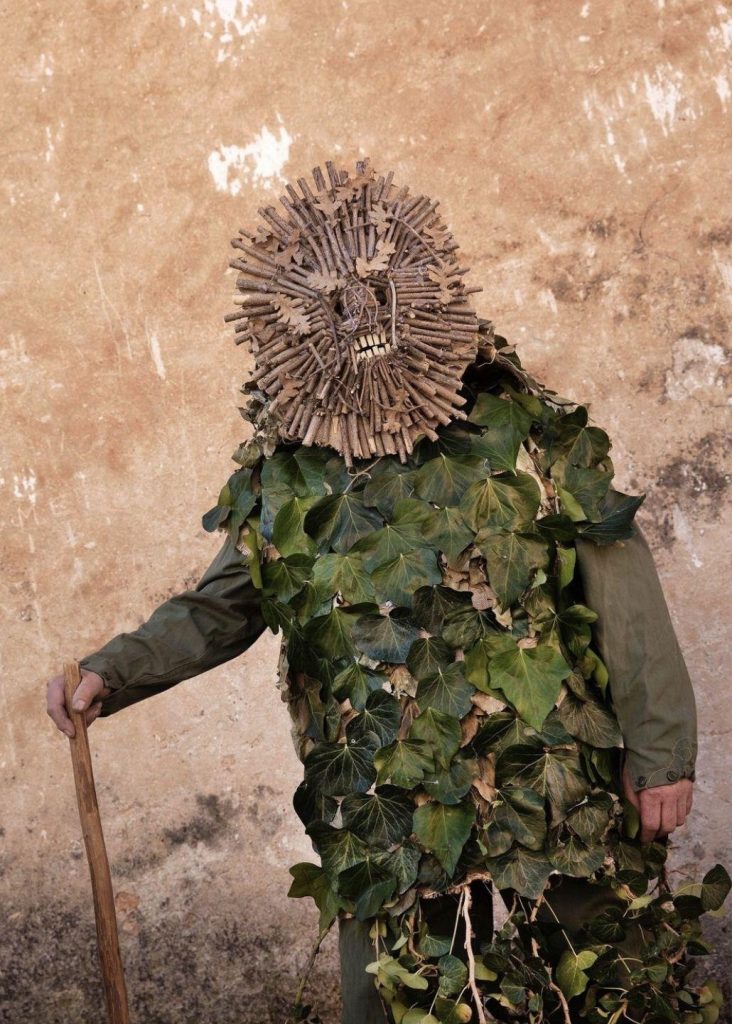
La Vijanera — Silió (Cantabria), Spain. Photo: Carlos Gonzalez Ximenez
The use of the mask and disguise deeply questions the ultimate nature of the subject and holds a profoundly sacred and symbolic role in shamanism. The mask serves as a tool of transformation and mediation between different worlds: it allows the shaman to temporarily abandon their human identity, to “become other,” and to travel between different levels of reality.
The mask is not a theatrical fiction; it is a living and transformative presence. In many shamanic traditions, masks represent animals, bringing to the wearer the characteristics, powers, and abilities of these spiritual beings. The costume tends to provide the shaman with a new body—a magical body in animal form.
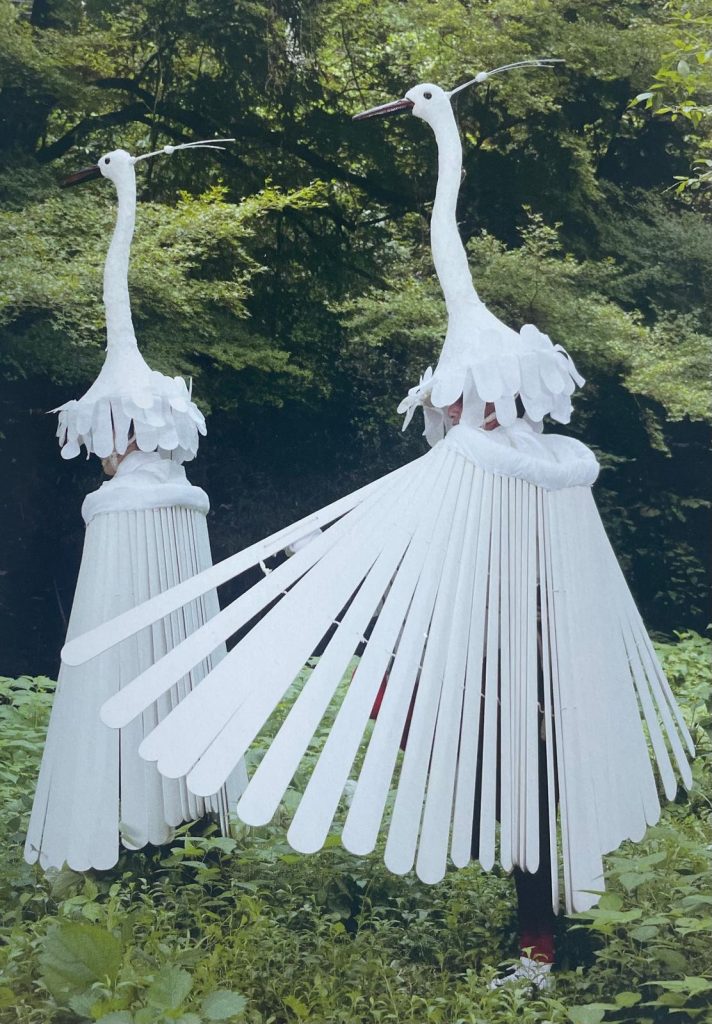
Rituale Sagimai (Heron dance) in Tsuwano, Japan. Photo: Charles Fréger
The theme of “becoming other” through the mask is one of the deepest cores of shamanism, because it touches on identity, the sacred, and the real transformation of being. The mask reveals what is not visible: it allows a power to manifest that does not belong to the individual, but to the cosmos.
During the residency, participants will be guided in the creation of their own shamanic mask and costume. We will explore natural places where participants will seek their own shamanic guide, who will inspire each person’s creative work. Animal spirits, rocks, plants, spirits of water or wind, strange beings that go beyond our human imagination: in the shamanic path, everything can become a guide toward new knowledge.
Part of the program will be experiential, led by Morena Luciani Russo, artist and teacher of shamanism, and part will consist of the analysis of several shamanic cultures and their use of masks and costumes, led by Lorenzo Bordonaro, artist and anthropologist. Part of the study will be dedicated to European masked traditions and the prehistoric origins of these rites, still alive today in the Alpine region and the Mediterranean.
Throughout the residency, participants will be supported in their creative process and invited to share their experiences and reflections within the group.
The week will alternate between days of study and creation on site and days dedicated to shamanic practice in different natural locations. The Susa Valley is crossed by one of the planet’s most important energy lines (the so-called Ley Lines), one of whose powerful points is Monte Pirchiriano, home to the famous Sacra di San Michele. Throughout the valley there are archaeological sites and peaks of great power suitable for deep spiritual practices.
Each participant will follow their own creative flow and will be supported whenever necessary in the practical realization of the mask and costume. Evenings will be moments for sharing, and one evening will be dedicated to a shamanic fire ceremony.
At the end of the residency, a collective performance will be organized in which participants will bring their creations to life in a ceremonial context.
PRACTICAL DETAILS
The Residency is organised by Lorenzo Bordonaro in partnership with LAIMA Association.
Both Italian and English will be working languages during the residency.
Where We Will Stay
We will stay at Cascina Bucolica, located in Alpignano at the gateway to the Susa Valley. It is a traditional Piedmontese farmhouse, recently renovated. It offers all modern comforts, including a swimming pool, and thanks to its strategic location it is ideal for reaching the valley’s key sites.
What the Residency Includes
- All scheduled activities
- Accommodation (see options) and all meals (three per day)
- Workspace
What It Does Not Include
- Materials used in the workshop: these will mainly be natural materials collected during the residency itself. A list of small tools or useful items will be provided in due time and must be brought by participants.
- Transportation to and from the residency venue
- Travel expenses during the residency: we will travel by car, sharing travel costs
Costs
The cost of the residency is 560 euros, excluding accommodation and meals, plus a 20-euro membership fee.
Accommodation and meal costs are available from the administration office by writing to: artesciamanesimo@gmail.com
Meals (breakfast, lunch, and dinner) will be vegetarian and prepared daily.
HOW TO PARTICIPATE
The number of participants is limited to 15.
To apply, please send a brief letter of motivation to: artesciamanesimo@gmail.com
Once registration is confirmed, a deposit of 200 euros for the residency and 100 euros for accommodation will be required.
Cancellations made by June 30 will be refunded. After June 30, no refund will be issued.
A preliminary online meeting lasting about one and a half hours will be organized before the residency begins. Participation in this meeting is required for the proposed activities.
APPLICATION DEADLINE: May 30, 2026
DEADLINE EXTENDED JUNE 15
The “Shamanism and Art” Residencies
Organised annually, the “Art and Shamanism” residencies focus on:
- Exploring the relationship between the spiritual dimension accessed through shamanism and the artist’s creative process
- Exploring the meaning and role of art in conveying, transmitting, and expressing the shamanic worldview
- Investigating the creative/artistic process as a shamanic act in itself
- Reconsidering and questioning the separation between human beings and Nature.
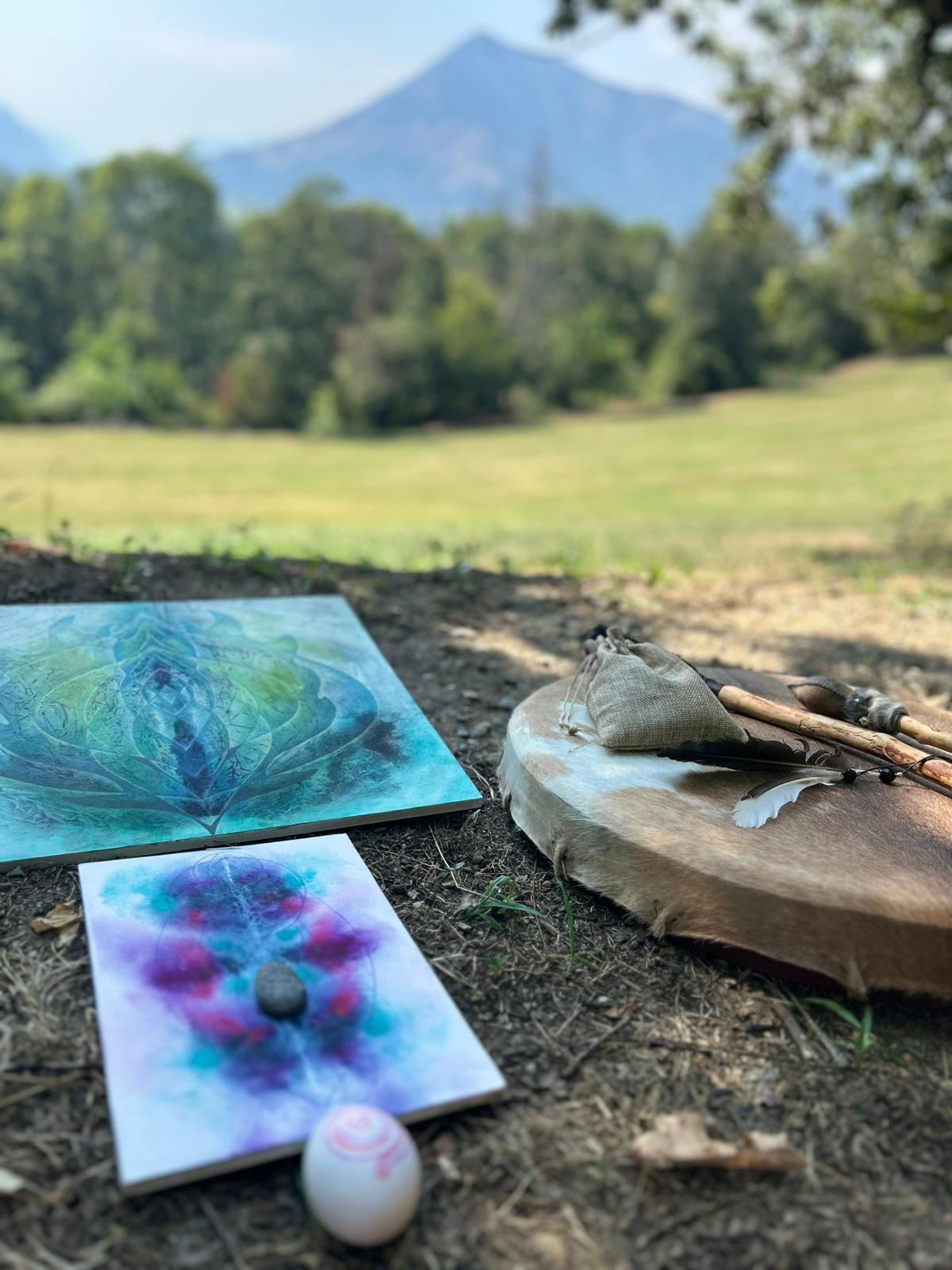
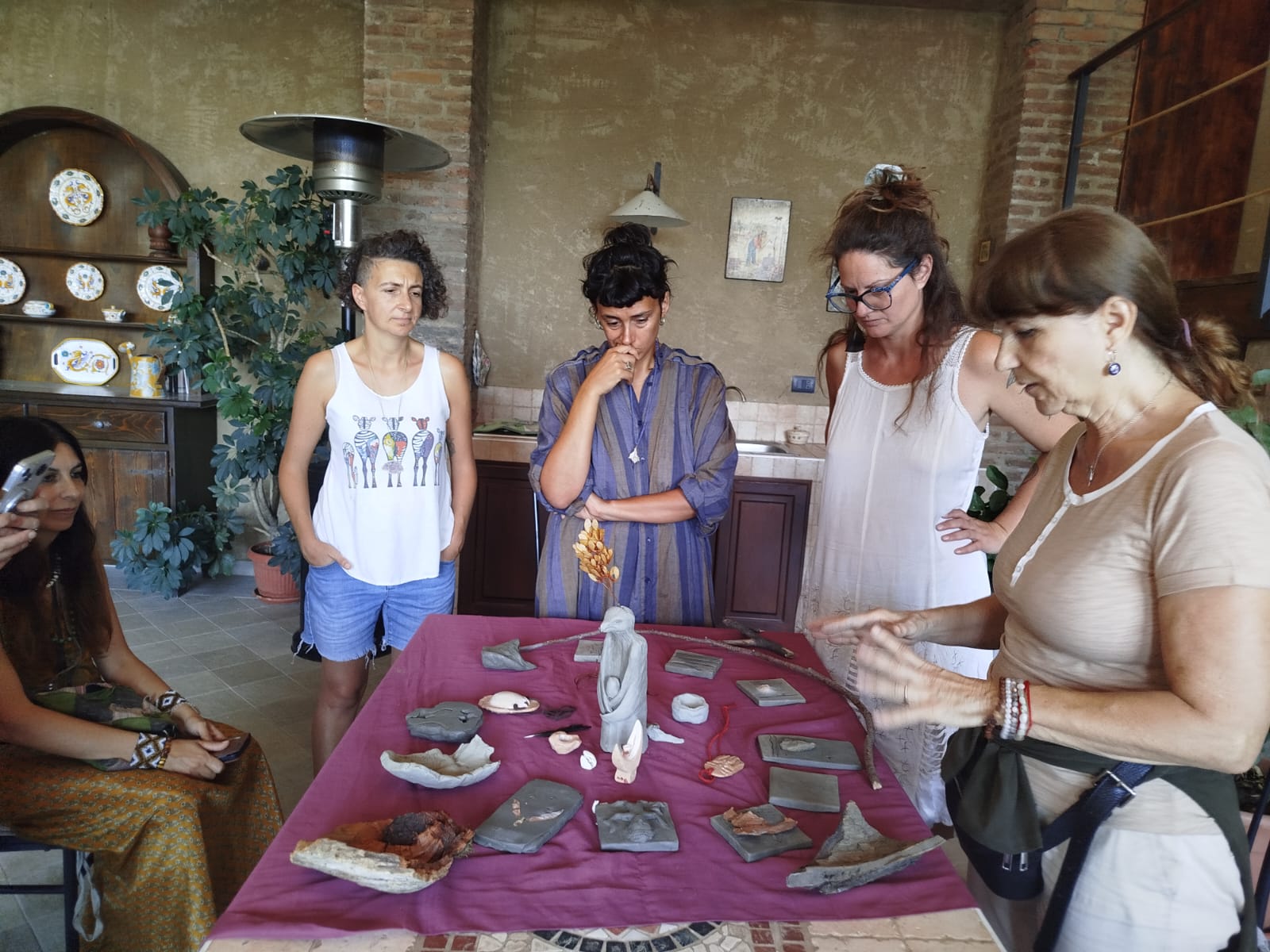
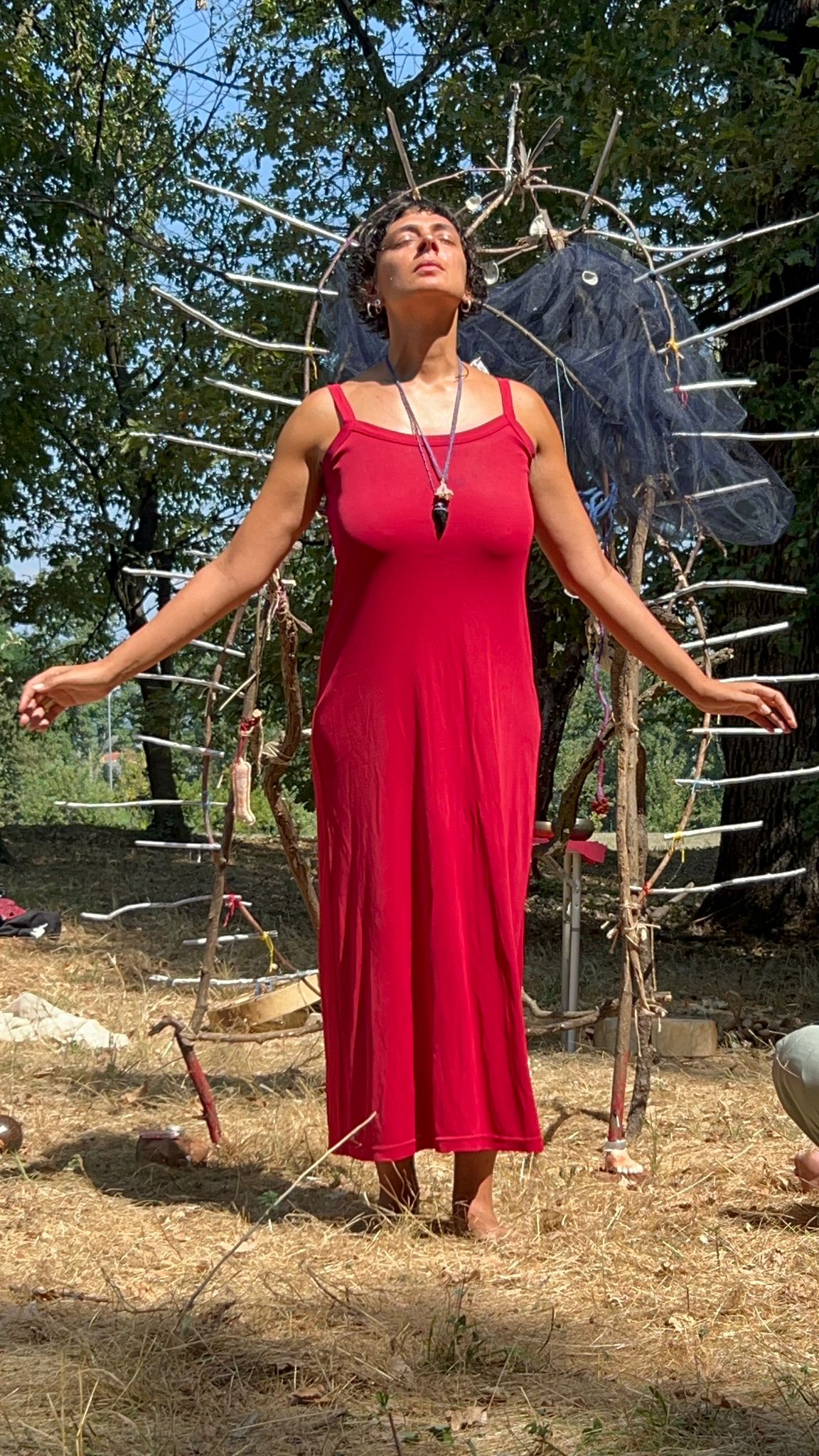
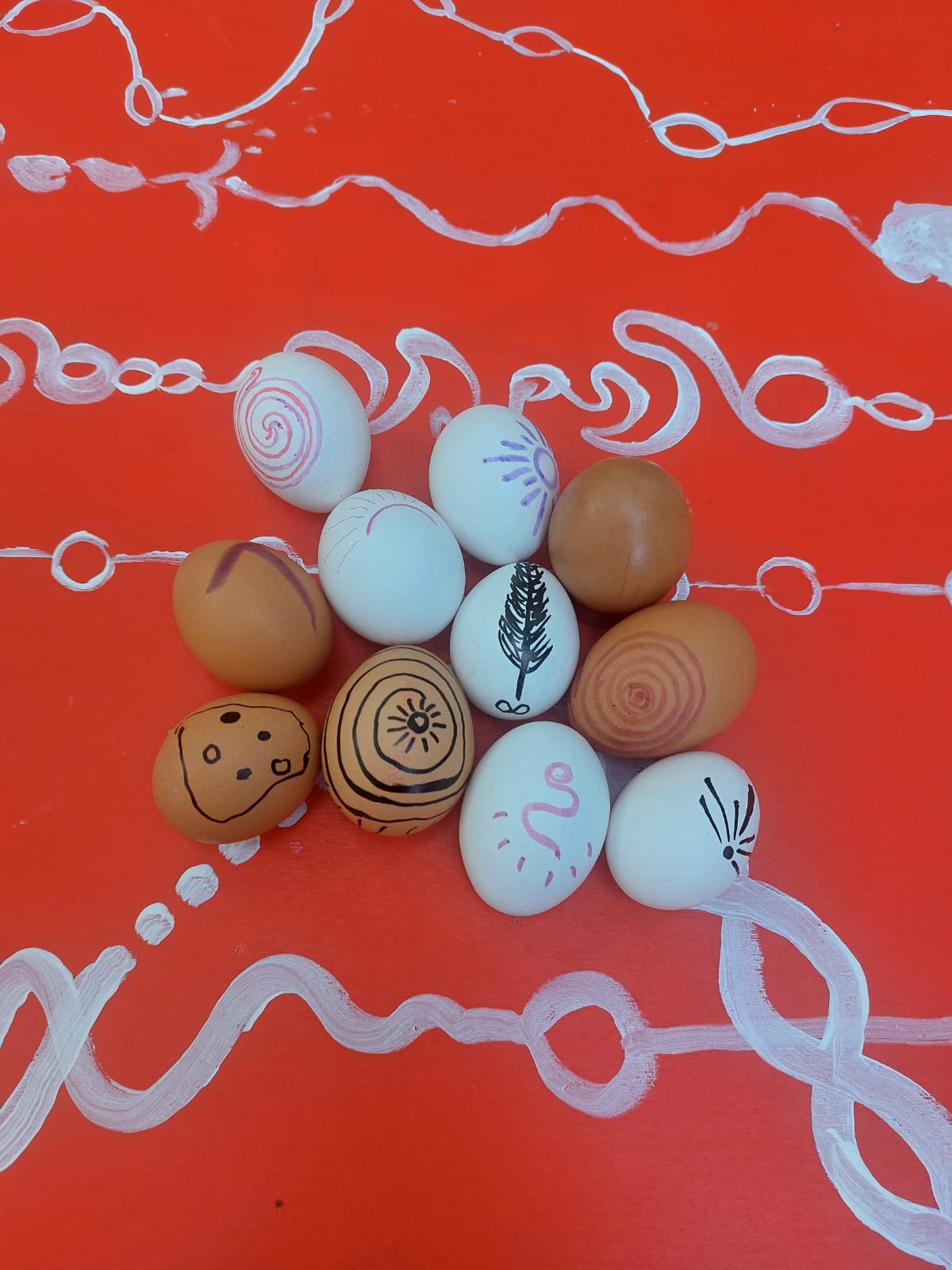
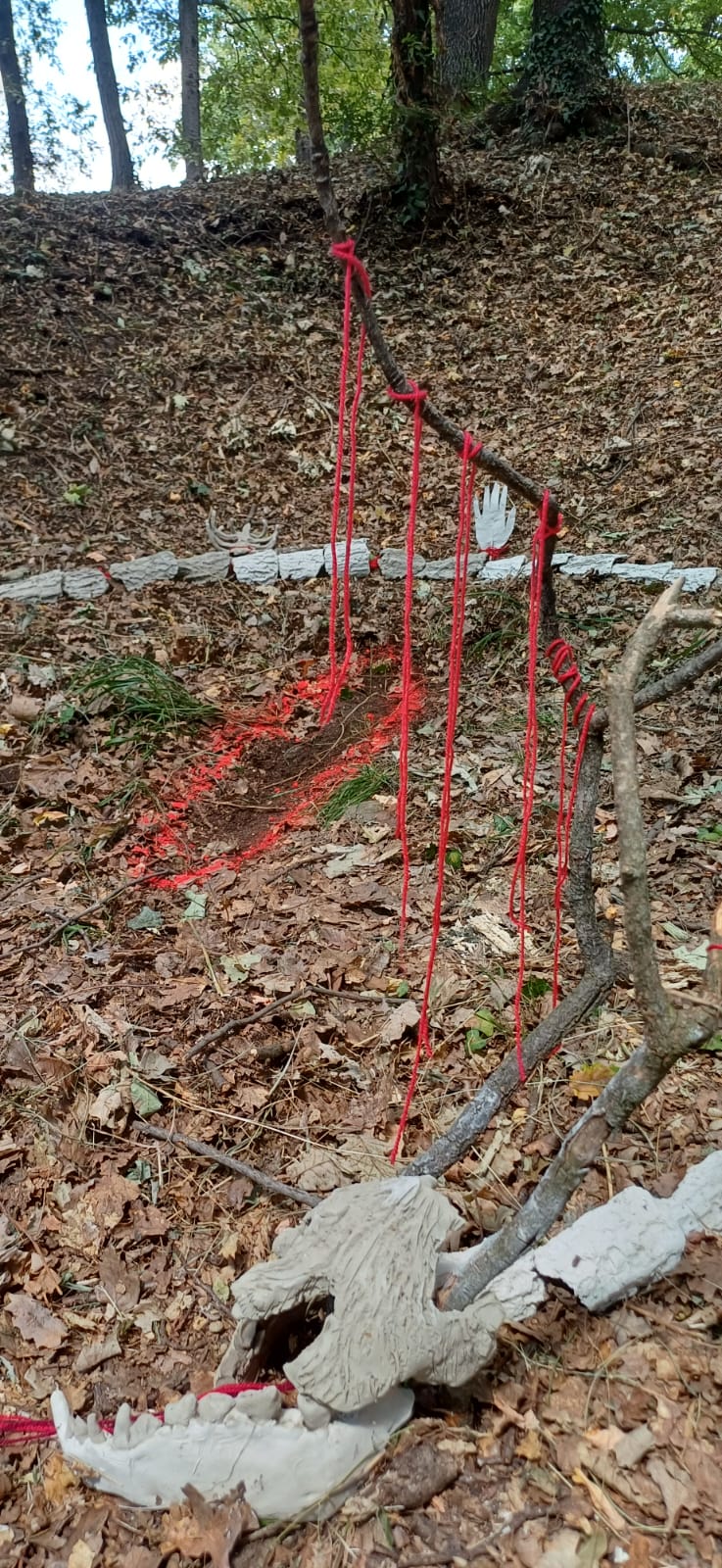
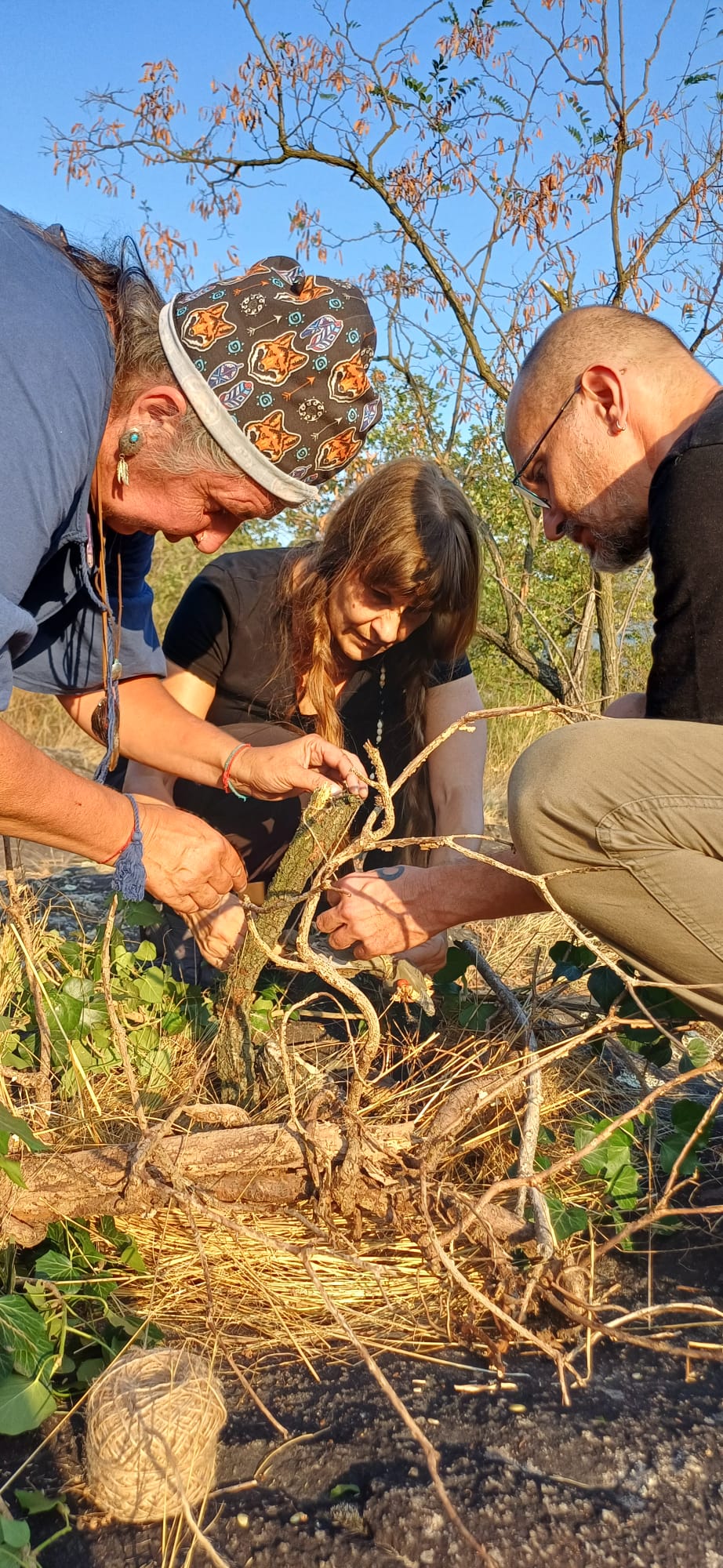
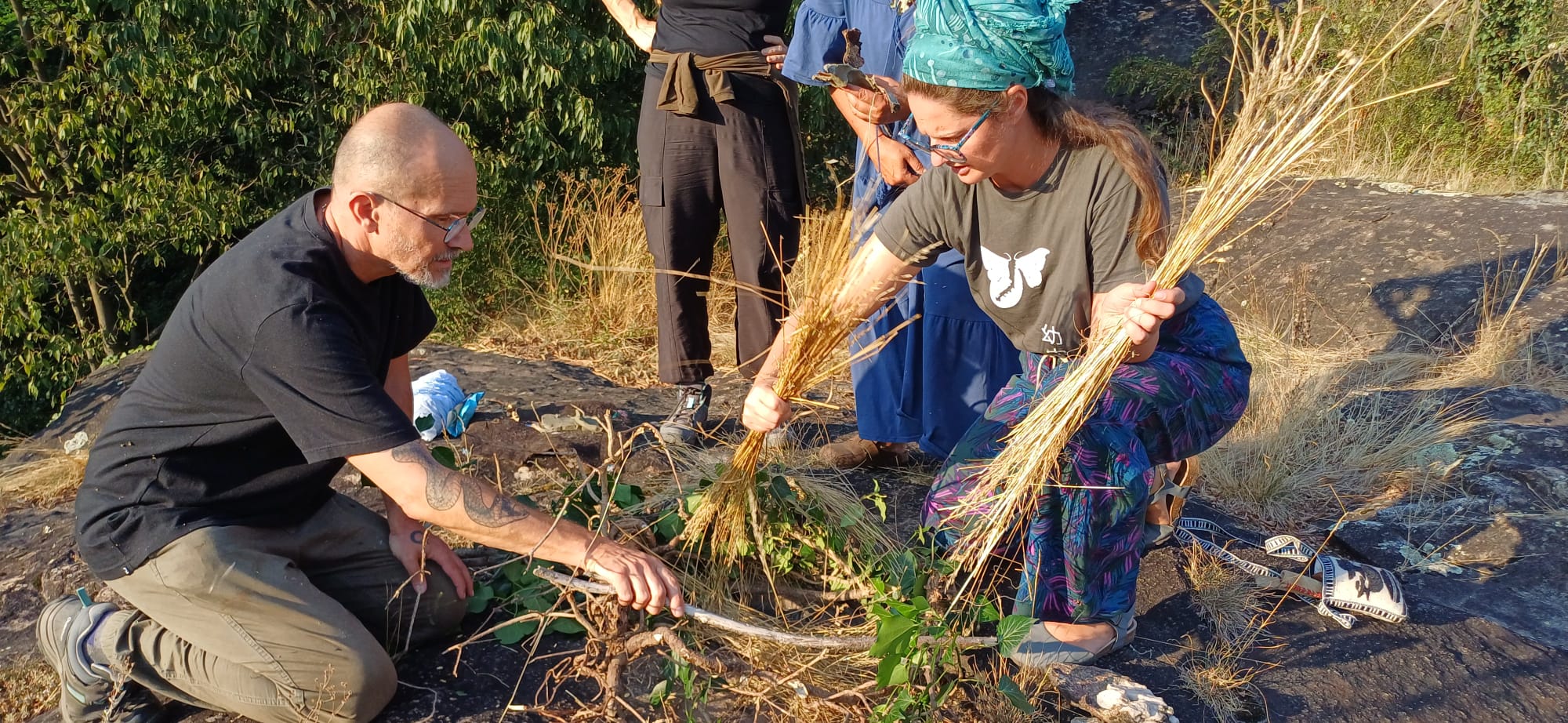
Some photos from the Art and Shamanism residency 2025
BIOS
Morena Luciani Russo
www.morenalucianirusso.eu
www.morenalucianiart.com
Morena Luciani Russo is an artist and teacher of shamanism. She accompanies women and men along a path of inner research, healing, and shamanic exploration of nature.
Author of Donne Sciamane (Venexia, 2012), she is also engaged in research in the field of social sciences, with particular attention to the anthropology of the sacred and to the study of traditions and archaic cults of Ancient Europe.
Over the years, she has developed an original path of returning to shamanic roots: to animals as an expression of a compassionate relationship with the Earth; to the drum as a gateway to invisible worlds and as training for a free and harmonious mind.
Her art is part of her shamanic path, merging contemporary language with ancestral symbols.
She leads seminars and conferences throughout Italy.
Lorenzo Bordonaro
www.bordonaro.eu
https://independent.academia.edu/BordonaroLorenzo
His artistic work initially combined anthropology and art, bringing together field research and creative expression. Through studies conducted in Guinea-Bissau, Cape Verde, Portugal, and Brazil on themes such as childhood, youth violence, creativity, and migration, he transformed social and political observations into public artworks and site-specific installations.
In recent years, his research has shifted toward the relationship between human beings and the natural environment, with increasing attention to ecological issues. The sculpture Haven, awarded and created in Braga, marks an important moment in this trajectory, particularly for its connection to sustainability and public space. Among his most recent works is Singing Platform, a site-specific installation created in 2023 in Iquitos, Peru, in collaboration with Shipibo shamans. The work is designed to be immersed in nature, offering a space for meditation, listening, and connection with the forest.
In recent years, alongside his installation work, there has also been a return to drawing and painting. These practices, present at the beginning of his path, have re-emerged as part of daily life, linked to meditation and yoga. Today they represent a simpler and more personal form of exploration—an intimate dialogue with the natural world.